
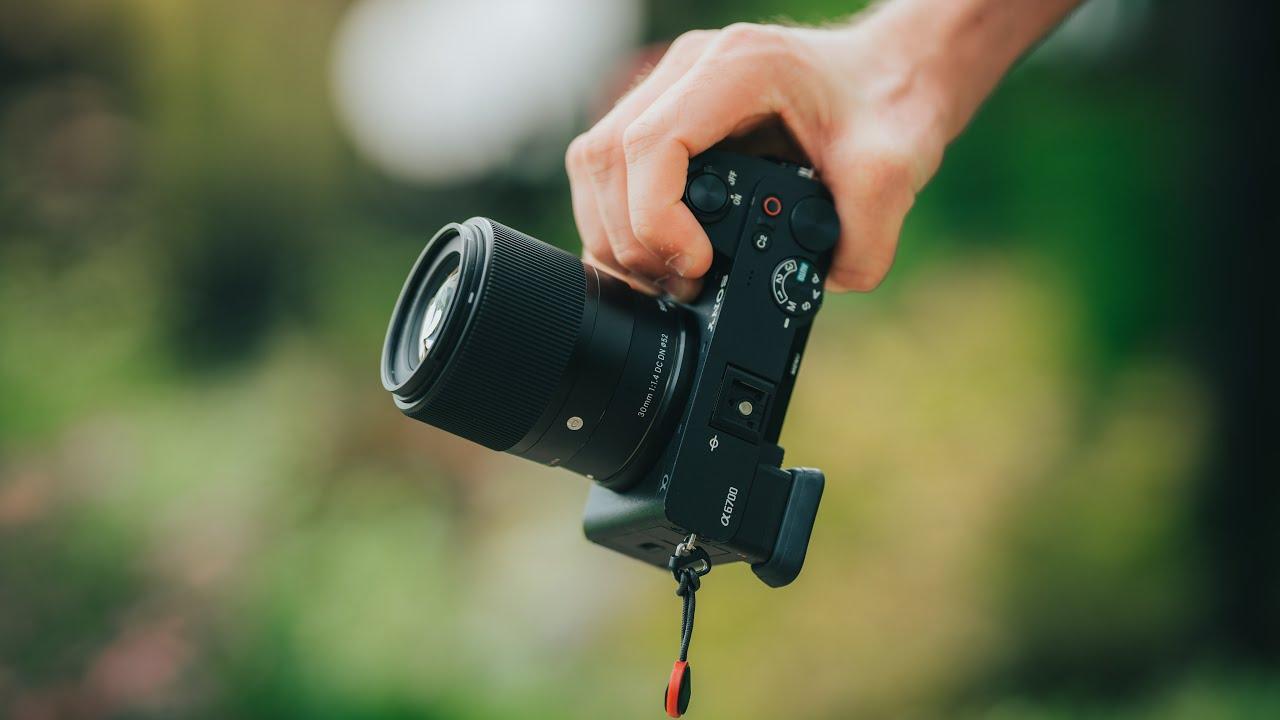
Top Lenses for Shooting Food Photography with Canon EOS
Food photography has evolved into a specialized genre where technical precision meets creative storytelling. Whether you are photographing dishes for restaurants, social media, cookbooks, or personal projects, the lens you choose plays a decisive role in how appetizing and professional your images appear. Canon EOS cameras are widely used for food photography because of their color science, reliable autofocus, and compatibility with a broad range of high-quality lenses.
In this in-depth guide, we explore the top lenses for shooting food photography with Canon EOS cameras, explain what makes a lens truly suitable for this genre, and highlight why Sigma lenses, supported by Sigma Pakistan, are a strong and trusted option for photographers at every level.
Understanding Food Photography Requirements
Food photography demands a unique balance of sharpness, perspective, and depth of field control. Unlike landscape or sports photography, food images are often shot at close distances, under controlled lighting, and with careful composition. A good food photography lens must render fine textures clearly, maintain accurate colors, and produce a pleasing background blur that does not distract from the subject.
Canon EOS cameras, whether full-frame or APS-C, benefit from lenses that can focus close, perform well at moderate apertures, and deliver consistent image quality across the frame. The right lens allows photographers to highlight ingredients, textures, and plating details in a way that feels natural and inviting.
Why Lens Choice Matters More Than You Think
Many beginners assume that lighting alone defines food photography, but lens selection is equally important. The focal length determines perspective, the aperture controls background separation, and the optical design influences sharpness and color rendering. A poorly chosen lens can distort proportions, flatten textures, or introduce unwanted blur in critical areas.
Professional food photographers often rely on prime lenses because of their superior sharpness and wider apertures. However, zoom lenses also have their place when flexibility and speed are required. Sigma’s extensive lineup ensures that Canon EOS users can choose lenses tailored specifically to food photography needs.
Standard Prime Lenses for Food Photography
Standard prime lenses, particularly in the 30mm to 50mm range, are among the most popular choices for food photography with Canon EOS cameras. These focal lengths provide a natural perspective that closely resembles human vision, making dishes look realistic and appealing.
A 35mm prime lens is especially versatile for food photography. It allows photographers to capture entire table scenes, overhead shots, and environmental food images without excessive distortion. The sigma 35mm 1.4 is widely appreciated for its sharpness, natural color rendering, and ability to isolate subjects with a shallow depth of field. On Canon EOS bodies, it performs exceptionally well for both styled food shots and lifestyle compositions.
The Role of Aperture in Food Photography
Wide apertures are often associated with portraits, but they are equally valuable in food photography. An aperture such as f/1.4 or f/1.8 allows photographers to blur busy backgrounds while keeping the main dish in focus. This technique draws attention to the food and creates a professional, editorial look.
That said, food photography frequently involves stopping down slightly to ensure enough depth of field to keep key elements sharp. High-quality lenses maintain excellent sharpness even when stopped down, which is why premium optics are preferred for this genre. Sigma lenses are designed to perform consistently across different aperture settings, making them reliable tools for controlled studio environments.
Macro and Close-Focusing Lenses
Food photography often involves close-up shots that highlight textures such as melted cheese, grains of sugar, or the surface of a sauce. Lenses with good close-focusing capability or true macro lenses are ideal for this purpose.
Macro lenses allow photographers to capture extreme detail without sacrificing sharpness. On Canon EOS cameras, Sigma macro lenses are known for their clarity, minimal distortion, and accurate color reproduction. These qualities are essential when photographing food, where visual detail directly affects how appetizing an image appears.
Zoom Lenses for Versatility
While prime lenses dominate food photography, zoom lenses can be useful when working in tight spaces or when multiple compositions are required quickly. A high-quality standard zoom lens offers flexibility in framing without requiring lens changes, which can be helpful during commercial shoots or restaurant sessions.
Sigma’s zoom lenses for Canon EOS are engineered to maintain sharpness and contrast throughout the zoom range. They provide consistent performance for food photographers who value efficiency without compromising image quality.
Color Accuracy and Texture Rendering
One of the most critical aspects of food photography is accurate color reproduction. Food must look natural and appealing, with colors that match real-life expectations. Lenses that introduce color casts or reduce contrast can make dishes appear dull or unappetizing.
Sigma lenses are designed with advanced coatings that enhance contrast and preserve natural colors. This ensures that images shot on Canon EOS cameras retain their vibrancy and realism, reducing the need for heavy post-processing. For food photographers, this translates into cleaner workflows and more consistent results.
Working with Natural and Artificial Light
Food photography often combines natural window light with artificial lighting setups. A good lens should handle highlights and shadows gracefully, minimizing flare and maintaining detail in challenging lighting conditions.
Sigma lenses are known for their ability to control flare and ghosting, even when shooting near reflective surfaces or bright light sources. This makes them well suited for food photography environments, where glassware, plates, and sauces can easily reflect light.
Choosing the Right Lens for Your Canon EOS Camera
Canon EOS users have access to a wide range of lenses, but selecting the right one depends on shooting style and subject matter. Photographers who focus on overhead flat-lay shots may prefer wider focal lengths, while those who emphasize plated dishes and close-ups may benefit from standard or short telephoto lenses.
Exploring the full range of options available in the camera lens category can help photographers identify lenses that suit their specific food photography needs. Sigma’s lineup covers everything from wide-angle primes to macro lenses, ensuring compatibility with different Canon EOS bodies and creative styles.
The Value of Sigma Pakistan for Food Photographers
Access to authentic equipment and reliable support is essential for photographers working professionally or building their skills. Through Sigma , photographers in Pakistan can access genuine Sigma lenses designed to meet international quality standards.
Sigma Pakistan supports photographers by making high-performance lenses readily available, ensuring confidence in both image quality and long-term reliability. For food photographers using Canon EOS cameras, this local presence adds an extra layer of trust and convenience.
Final Thoughts on Food Photography Lenses for Canon EOS
Food photography is a genre where subtle details make a big difference. The right lens enhances textures, preserves natural colors, and helps tell a visual story that makes viewers hungry. Canon EOS cameras, paired with high-quality lenses, offer an excellent platform for both beginners and professionals.
Sigma lenses stand out as reliable tools for food photography, combining optical excellence with practical versatility. Backed by Sigma Pakistan, they provide Canon EOS users with the confidence to create visually compelling food images in any setting.