
CAD Design Services: More Than Pretty Lines On A Screen
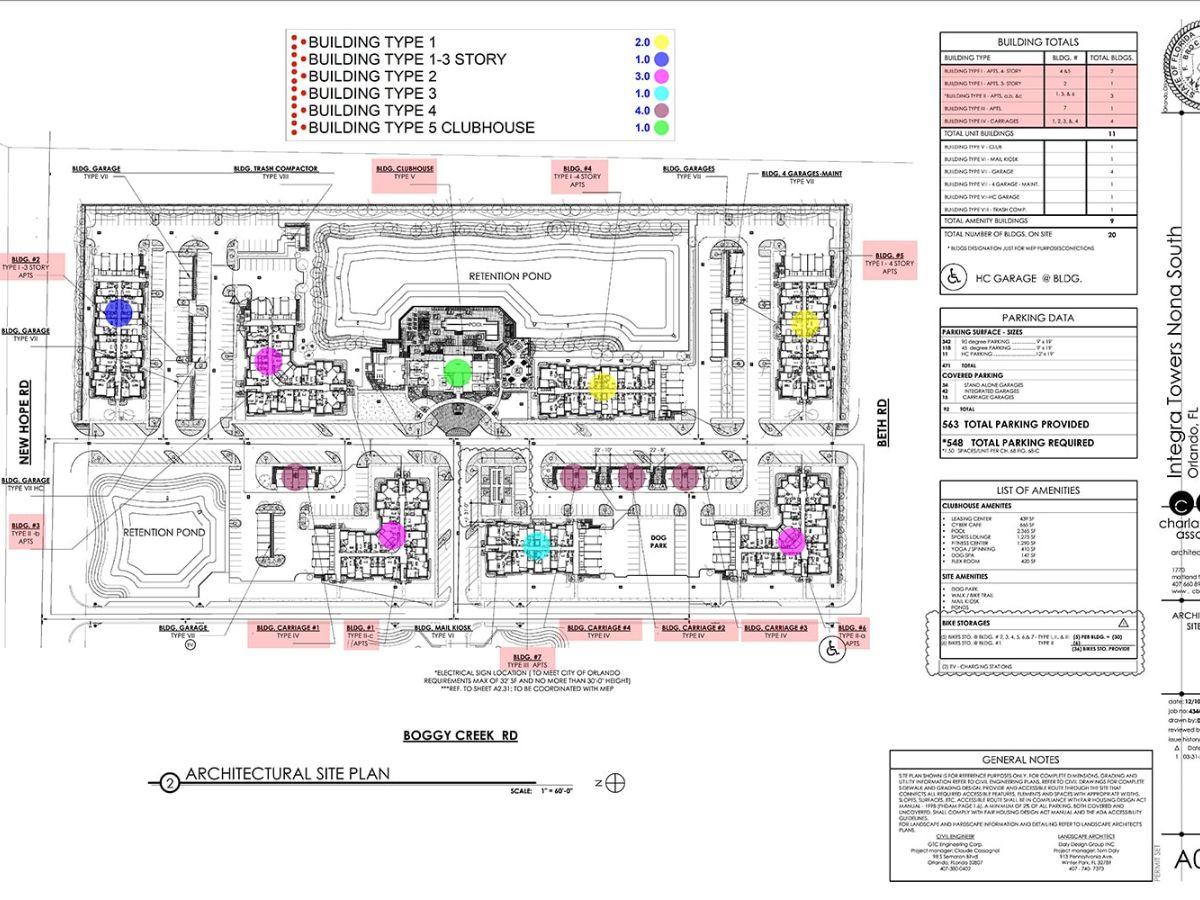
A lot of people still think CAD is just “drawing on the computer.” Click a few lines, add some text, done. That’s not what real cad design services are. Not even close. When you’re dealing with buildings, equipment, structural steel, anything that can actually hurt someone if it fails, those CAD files become the instructions for reality. They tell fabricators what to cut, welders what to join, installers where to drill, inspectors what to approve. Every missing dimension, every sloppy note, every vague symbol turns into confusion down the line. And confusion in construction usually translates into delays, change orders, and angry phone calls from the field at 6 a.m. CAD is not decoration. It’s the language your project speaks to everyone else. If that language is broken, the project stumbles.
How CAD Goes From Idea To Buildable Design
Here’s the usual flow, when it’s done right. Things start ugly. Someone has a concept sketch, a thumbnail layout, maybe a half-baked Revit model. Cad design services take that mess and make it structured. They lay out proper plans, elevations, sections, details. They drop in real dimensions, reference grids, levels. They coordinate with structural, mechanical, electrical. Then, especially for anything load‑bearing, those drawings evolve into more detailed sets, like structural steel drawings or shop drawings that show every plate, every hole, every weld symbol. That’s the stuff fabricators live by. It’s not glamorous work, but it’s the difference between “hope this lines up” and “we know this will fit.” The better the CAD, the less guesswork downstream. And in construction, less guessing is always cheaper.
Why Structural Steel Drawings Need Serious CAD Support
If you’ve ever watched steel go up on a jobsite, you know the margin for error is small. Beams show up once. Cranes are expensive by the hour. Welders aren’t standing around with time to figure out what you meant. Structural steel drawings have to be painfully clear. Exact member sizes. Connection details. Bolt types and counts. Hole locations that actually match the shop’s standard practices. That clarity doesn’t happen by accident. It comes from cad design services that understand steel behavior, erection realities, and the way fabricators think. They know that moving a bolt 10 millimeters on paper might mean a complete rework of a gusset plate in the shop. They know if your column base plate holes don’t match the anchor bolts in the concrete, your schedule just died. When CAD teams treat structural sheets like generic “line work,” you feel it. Steel doesn’t forgive bad drawings. It exposes them.
Coordination: Where CAD Design Services Earn Their Money
The real value of CAD isn’t just drawing what the engineer or architect already decided. It’s catching where those decisions collide. Think about a building with structural steel beams, sprinkler mains, fat duct runs, data trays, light fixtures, all trying to share the same few inches of ceiling. If your cad design services are just following orders and never asking questions, you get beautiful but useless drawings: everything technically “shown” but half of it occupying the same space. A strong CAD team overlays things, checks clearances, asks dumb questions early. “This duct runs through this beam, is that intentional?” “These anchor bolts land exactly where this embed plate sits, is someone moving?” Those annoying questions in design review are exactly why the installer doesn’t have to show up with a saw and start hacking holes in brand‑new steel. Good CAD people aren’t just fast with shortcuts. They’re stubborn about coordination.
Common Mistakes People Make With CAD And Steel
Most of the pain I see with cad design services and structural steel drawings is very avoidable. People rush. They treat drawings like paperwork, not tools. You get incomplete connection details, “typical” notes that don’t actually match the conditions, missing sections where beams change elevation. Or an architect slightly shifts a grid line late in the game, but nobody pushes that update cleanly through the structural set. So now the concrete guy builds off old dimensions while the steel shop builds off new ones and everyone acts shocked when base plates don’t line up. Another classic mistake is assuming software will “catch it.” Models help, sure. But if the person running the model doesn’t understand how steel is actually erected, they can still create unbuildable situations. CAD doesn’t replace thinking. It just makes good thinking easier to document, and bad thinking faster to spread.
Choosing A CAD Partner For Real Construction Projects
You don’t need a unicorn. You just need a team that understands what happens after the PDFs go out. When you talk to a CAD provider, ask them straight: have you done structural steel drawings? Shop drawings? Connection details? What kind of projects? If all they show you is interior layouts and pretty presentations, that’s not the same as detailed structural work. Look at how they dimension things. Look at one of their detail sheets. Is it actually readable at scale, or just visually “nice” from far away? A decent cad design services provider can talk about standards, layers, title blocks, but also about field realities. They should care about erection sequences, access for tools, bolt clearance, not just abstract geometry. If their whole pitch is speed and price, with no mention of quality checks, you know where their focus really is.
How Good CAD Design Saves Time, Money, And Sanity
People love to complain about design fees. But here’s the math nobody wants to hear. One bad steel detail that forces on‑site rework can easily cost more than weeks of proper CAD time. A missing camber spec on a long beam, sloppy dimensions on a stair stringer, a vague note on weld type – each of those can turn into a field delay, an RFI storm, maybe even a remake. When your cad design services are solid, those little landmines get defused on screen instead of in the field. Structural steel drawings that are fully coordinated mean fewer RFIs, fewer emergency calls to the engineer, and way fewer late‑night “who screwed this up?” meetings. It isn’t magical. It’s just careful work, done by people who’ve seen what goes wrong when you rush. Investing upfront in real design and clean documentation is boring compared to some slick render. But it’s exactly how you keep your project from bleeding cash later.
Digital Tools Versus Real-World Job Sites
There’s this fantasy that if the model looks good, the job will go smooth. Anyone who’s stood on a muddy site in January knows better. CAD is a tool. Models are tools. Structural steel drawings are tools. The question is whether they reflect the real job. Are the dimensions tied to actual control lines the surveyor will use? Are tolerances realistic for the fabricator and erector, or are you pretending the world has zero variation? Do the drawings show enough temporary bracing, erection sequences, or is all that left to the poor steel crew to figure out on the fly? Cad design services should bridge digital and physical, not live in their own little screen world. The best drafters I’ve met spent time in shops or on sites. They draw with mud, weather, and imperfect conditions in mind. They know the job is built by tired humans with wrenches and welders, not just by pixels.
Conclusion: Treat CAD Design As Part Of The Structure
If you treat CAD like an annoying step between “idea” and “construction,” your projects will keep paying for that attitude. Cad design services are part of the structure, even if they only exist as files. They define where every column sits, how every connection works, what every trade is supposed to do. When those files are sloppy, the building feels it. When they’re sharp, coordinated, and grounded in reality, everything downstream gets easier. Especially when it comes to critical stuff like structural steel drawings, don’t cut corners. Put serious people on it. Let them take the time to think, ask questions, coordinate. That’s how you end up with steel that fits, inspections that go quicker, and a project that doesn’t feel like a constant firefight. You might not hang those drawings on the wall when it’s done, but they quietly hold the whole thing together.
FAQs About CAD Design Services And Structural Steel Work
What exactly do CAD design services include?
It depends who you hire and what you need, but generally cad design services cover creating and editing architectural plans, structural layouts, details, and sometimes full 3D models. For structural work, that often means framing plans, sections, connection details, and coordinated structural steel drawings that a fabricator can actually use. Some firms also handle clash detection, quantity takeoffs, and permit set preparation. The good ones don’t just “draft what you say,” they flag inconsistencies and missing information before it bites you.
Do I really need CAD for small steel projects?
If it involves steel holding up a building or people, yes. Even a “small” canopy, mezzanine, or stair can cause serious trouble if it’s not detailed properly. Structural steel drawings don’t have to be fancy, but they do need to be clear. Member sizes, connections, anchors, plate thicknesses, all spelled out. Without clean CAD, you’re asking the shop or installer to improvise. Sometimes they get it right. Sometimes they don’t. Either way, you as the owner or GC end up carrying the risk.
How accurate do structural steel drawings need to be?
As accurate as you can possibly make them without pretending the world is perfect. Column locations, beam lengths, hole patterns, and connection details need to be dead on. Tolerances should reflect codes and fabricator standards, not wishful thinking. Cad design services should match the engineer’s intent exactly, with no “close enough” on critical dimensions. At the same time, drawings should acknowledge real tolerances so erectors aren’t fighting impossible fits in the field. Accuracy plus realism. That’s the target.
How do I pick the right CAD provider for steel-heavy jobs?
Start by looking at actual samples of their structural work, not just pretty presentations. Ask for a couple sheets of structural steel drawings from past projects, see how they handle details and notes. Talk to them about how they coordinate with engineers and fabricators. If they’ve never sat on a call with a steel shop arguing about bolt access or weld sequences, they probably haven’t been in the deep end yet. You want a team that respects schedules but still talks about checking, QA, and field realities, not just speed and low cost.