
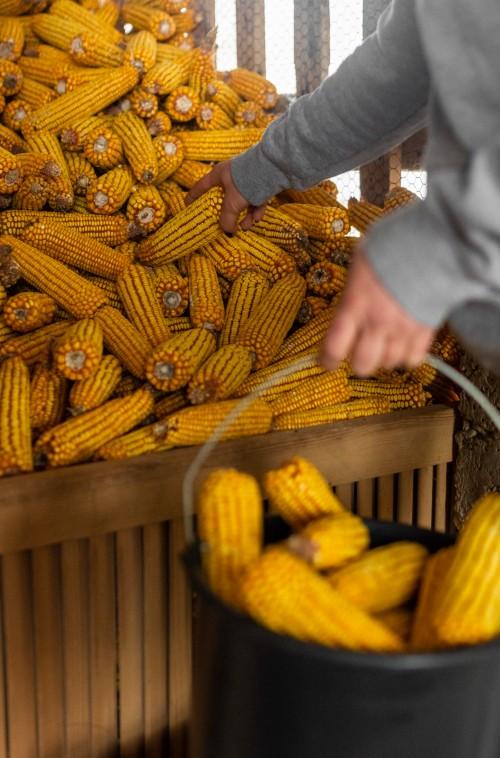
Corn has long been one of the world’s most versatile grains, used in everything from staple foods to industrial products. In India, the growing demand for maize-based ingredients has placed a spotlight on corn grits—small, coarse-ground pieces of dried corn used across culinary, commercial, and industrial applications. As the food and agro-processing industries continue to expand, identifying the best corn grits manufacturer in India has become essential for buyers seeking consistent quality, safety, and reliable supply.
This article explores how corn grits are produced, the standards that define high-quality manufacturing, and the key considerations businesses should keep in mind when selecting a supplier. Instead of focusing on promotion, the goal is to offer insights that help buyers navigate the Indian maize products market with confidence.
What Are Corn Grits?
Corn grits are coarsely ground kernels of corn, typically produced by removing the outer husk, separating the germ, and milling the endosperm into uniform granules. Unlike flour, which has a soft and powdery texture, grits retain a granular structure that makes them suitable for a wide range of uses.
Common applications include:
-
Breakfast cereals
-
Snacks and extruded food products
-
Bakery ingredients
-
Brewing and distilling
-
Ready-to-eat (RTE) and ready-to-cook (RTC) items
-
Food service and industrial-grade recipes
The rise of maize-based products in India—driven by changing consumer lifestyles, demand for processed foods, and the growth of quick-serve manufacturing—has increased the need for consistent, high-quality corn grits.
How Corn Grits Are Made: A Look Into the Manufacturing Process
To understand what sets the best corn grits manufacturer in India apart, it helps to examine the production steps. Efficient processing ensures clean, safe, and uniform grits that perform well in recipes and commercial applications.
1. Raw Maize Selection
Quality begins with selecting the right corn variety. Ideal maize for grits must be:
-
Hard and mature
-
Free from moisture damage
-
Uniform in size
-
Low in impurities
Factors such as climatic conditions, soil quality, and storage practices directly impact kernel quality.
2. Cleaning and Sorting
Before milling, the maize is passed through a series of cleaning systems that remove:
-
Dust
-
Stones
-
Straw
-
Metal particles
-
Other foreign matter
This prevents contamination and protects milling machinery from wear or damage.
3. Dehusking and Degerming
In this step, the outer husk is removed, and the germ (the part rich in oils) is separated. Removing the germ helps enhance shelf life by preventing rancidity.
4. Milling
Modern manufacturers use advanced milling machines designed to:
-
Produce uniform grit sizes
-
Maintain texture consistency
-
Minimize heat buildup
-
Preserve the natural color of corn
Different industries often require different grit sizes, so precise milling is critical.
5. Sieving and Grading
The ground material is passed through sieves that separate it into various grades, such as:
-
Coarse grits
-
Fine grits
-
Meal
-
Flour
This ensures customers receive product specifications that match their exact needs.
6. Quality Testing
The best manufacturers follow strict quality checks for:
-
Moisture level
-
Granule size
-
Microbial safety
-
Packaging integrity
-
Color and odor
This stage ensures food safety and reliability.
7. Packaging and Storage
Finally, corn grits are packed in food-grade bags and stored in temperature-controlled conditions to maintain freshness until shipment.
What Defines the Best Corn Grits Manufacturer in India?
With many maize-processing companies in the country, what makes one stand out? Several qualities consistently appear among top performers in the industry.
1. Advanced Processing Machinery
Manufacturers that invest in automated milling lines, grain cleaning technology, and hygienic handling systems produce more consistent and reliable products.
2. Strict Quality Control
A reputable manufacturer maintains:
-
HACCP implementation
-
Laboratory testing facilities
-
Batch-by-batch reporting
-
Strong food safety certifications
These practices ensure that every batch meets industry and export standards.
3. Understanding of Industry Requirements
Different industries require different types of corn grits. For example:
-
Breweries need low-fat, uniform grits
-
Breakfast cereal makers require specific granule sizes
-
Snack companies need high-expansion-quality maize
The best suppliers understand these variations and customize their production accordingly.
4. Reliable Sourcing and Supply Chain
Since maize is an agricultural product, seasonal changes can impact supply. Manufacturers with strong farmer networks maintain stable procurement and deliver consistently throughout the year.
5. Transparent Communication
Ethical manufacturers share clear product specifications, certificates, and test results. They also maintain open communication regarding delivery timelines and order requirements.
6. Environmentally Responsible Practices
A growing number of buyers prefer suppliers who practice:
-
Waste reduction
-
Energy-efficient milling
-
Responsible packaging
-
Safe grain storage
Sustainability adds value, especially for exporters.
Why India Has Become a Hub for Corn Grit Manufacturing
India’s maize production has grown significantly in recent decades, thanks to improvements in hybrid seeds, modern farming techniques, and increased demand from food processing industries. Several factors make India a strong location for corn grit manufacturing:
1. Abundant Maize Production
States like Karnataka, Andhra Pradesh, Maharashtra, Madhya Pradesh, and Rajasthan produce high-quality maize suitable for milling.
2. Skilled Agro-Processing Workforce
India’s long history in grain milling translates to expertise in handling corn at industrial scale.
3. Growing Food Processing Sector
With rising demand for packaged foods, snacks, and cereals, the domestic market for corn grits has expanded rapidly.
4. Increasing export opportunities
Indian maize and corn-based derivatives are supplied to countries across Asia, the Middle East, and Africa due to:
-
Competitive pricing
-
Consistent quality
-
Efficient logistics networks
Together, these factors empower leading companies to operate at global standards.
Applications of High-Quality Corn Grits Across Industries
Corn grits are valued for their neutral flavor, versatility, and functional benefits. Industries that rely heavily on uniform and premium-quality grits include:
1. Food Manufacturing
Used in:
-
Extruded snacks
-
Breakfast cereals
-
Baked goods
-
Instant mixes
Corn grits enhance texture, crispiness, and structural stability.
2. Breweries and Distilleries
Brewers use maize grits as adjuncts to lighten beer body and improve fermentation efficiency.
3. Animal Nutrition
Certain grades of grits and by-products are used to supplement livestock and poultry feed.
4. Industrial Applications
Corn derivatives play roles in adhesives, biodegradable plastics, and fermentation processes.
Understanding the required grit specifications helps businesses select the best-suited supplier.
How to Choose the Right Corn Grits Supplier for Your Business
Selecting the best corn grits manufacturer in India involves careful evaluation. Here are practical considerations:
1. Request Product Samples
Testing the product in your own production environment helps determine compatibility.
2. Check Certifications
Look for compliance with food safety systems such as:
-
FSSAI
-
HACCP
-
ISO standards
Certifications reflect a manufacturer’s commitment to quality.
3. Ask About Milling Technology
Advanced systems produce more uniform grits, which are crucial for consistent product output.
4. Assess Packing and Handling Practices
Proper packaging prevents contamination and preserves freshness during transport.
5. Review Customer Feedback
Long-term buyers offer valuable insights into reliability, product consistency, and support.
6. Consider Scalability
Choose a supplier that can grow with your business and meet rising demand.
The Growing Importance of Quality in the Corn Grits Market
As consumer expectations shift toward safer, cleaner, and more reliable food ingredients, the responsibility on manufacturers continues to increase. High-quality corn grits help businesses:
-
Maintain product consistency
-
Reduce machinery wear
-
Improve texture and flavor
-
Maintain predictable batch performance
Therefore, aligning with a reputable supplier is not merely a purchase—it’s a strategic decision.
FAQs About the Best Corn Grits Manufacturer in India
1. What qualities should I look for in the best corn grits manufacturer in India?
Look for manufacturers with advanced milling equipment, strong quality control systems, reliable sourcing, consistent grit sizes, and recognized food safety certifications.
2. What industries commonly use corn grits in their products?
Food processors, snack manufacturers, breweries, distilleries, bakeries, and livestock feed producers all use different grades of corn grits.
3. How important is grit size in commercial applications?
Grit size affects texture, cooking behavior, and processing efficiency. Uniform grit size is essential for consistent product quality in snacks, cereals, and brewing.
4. Are Indian corn grits suitable for export markets?
Yes. India produces high-quality maize and many manufacturers supply international markets due to competitive pricing and strong quality standards.
5. How do manufacturers maintain the freshness of corn grits?
By using proper milling techniques, conducting moisture control tests, and storing the final product in food-grade, moisture-resistant packaging.