
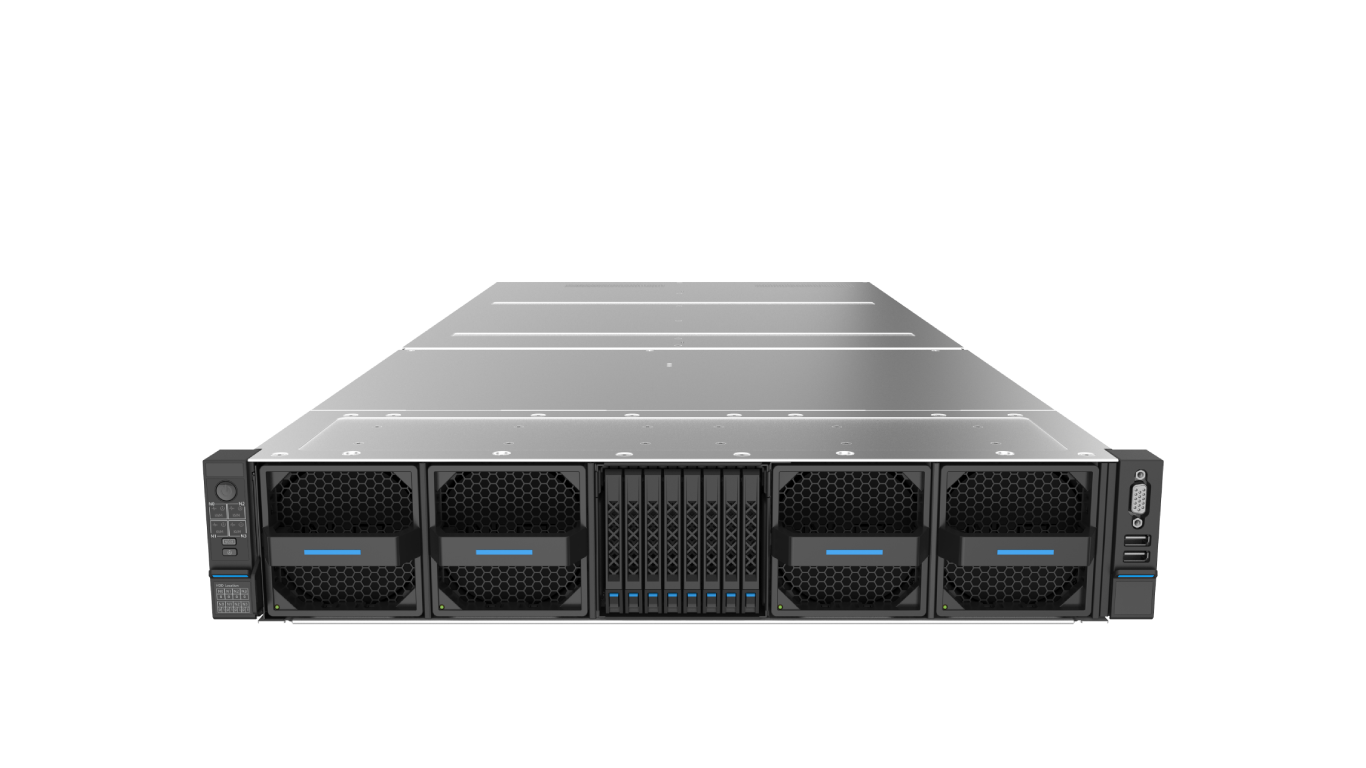
In the modern business landscape, the question is no longer if you will use the cloud, but how effectively you are building upon it. At the heart of every digital transformation, every scalable application, and every remote work solution lies a critical foundation: your cloud infrastructure. This is no longer just about renting virtual machines; it's about architecting a dynamic, resilient, and intelligent platform that powers your entire enterprise. A well-designed cloud infrastructure encompasses the complete stack—compute, storage, networking, and security services—consumed on-demand from providers like AWS, Azure, or Google Cloud. It is the invisible engine that determines your organisation's speed, agility, and capacity for innovation.
The power of modern cloud infrastructure lies in its abstracted, service-centric nature. Moving beyond mere infrastructure-as-a-service (IaaS), leaders are leveraging platform-as-a-service (PaaS) and software-as-a-service (SaaS) to accelerate development. This means builders can focus on code and business logic, not on patching operating systems or managing physical hardware. Crucially, a resilient cloud infrastructure is built with principles of elasticity and redundancy. Workloads can auto-scale with traffic spikes, and data can be replicated across geographically dispersed availability zones, ensuring business continuity that was once prohibitively expensive for all but the largest firms. This inherent flexibility makes robust cloud infrastructure the ultimate competitive advantage in a volatile market.
However, this power comes with complexity. The shift from a capital expenditure (CapEx) model to an operational expenditure (OpEx) one requires new financial disciplines like FinOps to avoid runaway costs. Security in a shared responsibility model demands a new mindset, where identity and access management become the new perimeter. Therefore, managing your cloud infrastructure is not a one-time project but an ongoing discipline. It requires intentional design around well-architected frameworks, continuous optimization, and governance policies to ensure compliance, control costs, and maintain security posture.
Ultimately, your approach to cloud infrastructure defines your company's technological future. It is the launchpad for artificial intelligence and machine learning, the backbone of global collaboration, and the repository for the world's data. Treating it as a tactical IT cost center is a strategic mistake. Instead, view it as the primary platform for growth and innovation. By investing in strategic planning, skilled talent, and management tools for your cloud infrastructure, you are not just keeping the lights on—you are building the engine that will drive the next decade of your success. In the digital age, your business is only as strong as the cloud infrastructure it rests upon.