
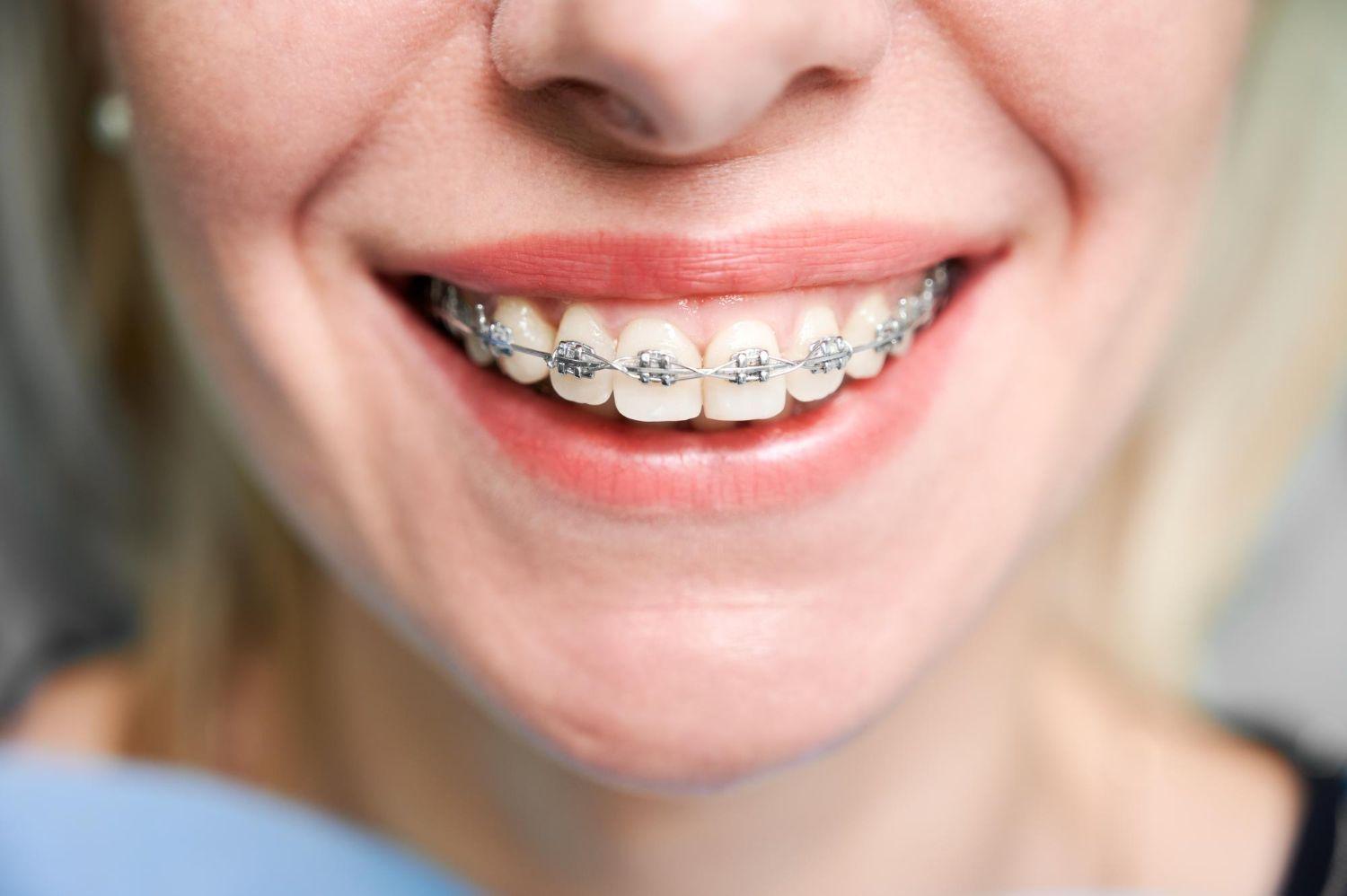
Dental retainers are an essential part of maintaining a straight, healthy smile after orthodontic treatment. Many patients in Dubai have questions about how to use them, their types, and how they contribute to long-term oral health. Dental retainers in Dubai help stabilize teeth after braces or Invisalign and prevent relapse, making them a crucial investment in your smile. Understanding the most frequently asked questions can help patients use retainers effectively and comfortably.
What Is a Dental Retainer:
A dental retainer is a custom-made device designed to hold teeth in their corrected positions after orthodontic treatment. Unlike braces or aligners, retainers do not move teeth but stabilize them while surrounding bone and soft tissues adjust. Retainers can be removable or fixed, and their primary goal is to prevent teeth from shifting back to their original positions, ensuring the longevity of your orthodontic results.
Types of Dental Retainers:
There are several types of retainers, each with unique advantages:
-
Hawley retainers: Removable retainers made of acrylic and wire, durable and adjustable
-
Essix retainers: Clear plastic trays that fit over teeth for a discreet appearance
-
Fixed retainers: Thin wires bonded behind teeth for continuous stabilization without removal
Choosing the right type depends on the patient’s dental structure, treatment outcome, and lifestyle preferences.
How Long Should You Wear a Retainer:
The duration of retainer use varies depending on individual needs:
-
Initial phase: Full-time wear for 20–22 hours per day, usually during the first 3–6 months after braces
-
Transition phase: Nighttime wear after initial stabilization to maintain alignment
-
Long-term maintenance: Occasional nighttime use may be required indefinitely to prevent minor shifts
Following your orthodontist’s recommendations is key to ensuring your smile remains straight.
How to Clean a Dental Retainer:
Proper cleaning helps retainers stay effective and hygienic:
-
Brush removable retainers daily with a soft toothbrush and lukewarm water or mild soap
-
Avoid toothpaste on plastic retainers to prevent scratches
-
Soak retainers in a retainer cleaning solution for deep cleaning
-
Fixed retainers should be brushed and flossed carefully to prevent plaque buildup
Maintaining cleanliness reduces odor, bacteria, and discomfort.
What to Do If a Retainer Feels Uncomfortable:
It is common to experience minor discomfort when first wearing a retainer:
-
Mild tightness or pressure is normal and typically subsides after a few days
-
Orthodontic wax can help relieve irritation caused by wires or edges
-
Slight speech changes may occur initially, but practice can improve adaptation
-
Consult your orthodontist if discomfort persists or worsens
Addressing discomfort promptly ensures consistent use and protects teeth alignment.
Can Retainers Prevent Teeth Shifting Permanently:
While retainers do not permanently fix teeth in place, they are highly effective at preventing relapse:
-
They stabilize teeth during the critical period after orthodontic treatment
-
Long-term use, even at night only, maintains alignment
-
Fixed retainers provide continuous support without relying on patient compliance
Regular monitoring and consistent wear are essential to prevent teeth from shifting back.
Common Problems With Retainers:
Some patients may encounter issues while wearing retainers:
-
Loose or ill-fitting retainers: Teeth may shift slightly, requiring adjustment
-
Loss or damage: Removable retainers are easy to misplace or break
-
Plaque buildup: Poor hygiene can cause irritation or bad breath
-
Speech difficulties: Mild lisp may occur initially with removable retainers
Early intervention with your orthodontist ensures these problems are resolved quickly.
Retainers and Lifestyle Considerations:
Wearing a retainer may require minor adjustments to your daily routine:
-
Remove retainers during meals and contact sports
-
Always store retainers in a protective case when not in use
-
Avoid exposing plastic retainers to heat, which can warp them
-
Maintain a consistent routine to ensure retainers are worn as prescribed
Following these habits helps extend the life of your retainer and maintains comfort.
Professional Check-Ups for Retainers:
Regular visits to your orthodontist are important for the effectiveness of your retainer:
-
Dentists can adjust retainers for better fit or comfort
-
Fixed retainers can be checked for plaque buildup or wear
-
Retainers can be replaced if damaged or ill-fitting
-
Professionals ensure teeth remain aligned and monitor oral health
Routine check-ups enhance both comfort and long-term results.
Retainers and Cosmetic Dentistry:
For patients with veneers, whitening, or other cosmetic treatments, dental retainers in Dubai are essential for maintaining aesthetics:
-
Teeth shifting can compromise the appearance of cosmetic treatments
-
Proper retainer use keeps veneers, bonding, or whitening results intact
-
Retainers support both alignment and long-term oral health
Consistent use protects your investment in both orthodontic and cosmetic dental procedures.
Final Thoughts:
Understanding dental retainers in Dubai and their proper use is crucial for maintaining a straight, healthy smile. From knowing the different types to following correct wearing schedules and cleaning routines, patients can ensure comfort and effectiveness. Regular professional check-ups, addressing common issues promptly, and integrating retainers into your daily routine guarantee that your orthodontic results last for years. Dental retainers are not just a temporary measure—they are an essential tool for preserving your smile and oral health long-term.