
Cadet College Admission
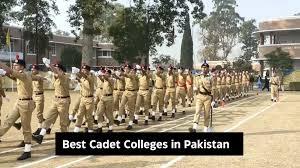
Cadet colleges in Pakistan are highly sought-after institutions that combine academic excellence, discipline, leadership training, and holistic personal development. These colleges aim to prepare students for higher education, military careers, and leadership roles in society. Due to their popularity and competitive selection process, gaining admission to a cadet college can be challenging. Understanding the admission criteria and following effective strategies can significantly increase a student’s chances of acceptance. This guide provides practical tips and insights to help parents and students navigate the cadet college admission process successfully.
Understanding the Cadet College Admission Process
Cadet colleges typically admit students at the entry level of grades 8 or 9, although some institutions also offer admission to higher classes. The admission process usually involves multiple stages:
-
Application Submission: Parents submit applications with required documents such as academic records, birth certificate, and photographs.
-
Written Examination: Students take a competitive exam testing subjects like Mathematics, English, Urdu, General Knowledge, and sometimes IQ or reasoning skills.
-
Medical Examination: Candidates must meet health and physical fitness requirements.
-
Interview: Shortlisted students are interviewed to assess personality, confidence, and communication skills.
-
Merit List and Final Selection: Based on exam scores, interview performance, and overall eligibility, the final list of selected students is announced.
Understanding each stage helps candidates prepare systematically and reduces the chances of missing important requirements.
Academic Preparation Tips
Strong academic performance is crucial for cadet college admission. Tips for maximizing academic readiness include:
-
Review Core Subjects: Focus on Mathematics, Science, English, and Urdu as these are commonly tested.
-
Practice Sample Papers: Solve previous years’ papers and sample questions to understand the exam pattern and time management.
-
Strengthen Problem-Solving Skills: Enhance analytical thinking and logical reasoning through practice questions and puzzles.
-
Seek Guidance or Coaching: Enroll in preparatory classes if necessary to reinforce weak areas and boost confidence.
Consistency and dedication in academic preparation can make a significant difference in exam performance.
Physical Fitness and Health Preparation
Cadet colleges emphasize physical fitness and health, so candidates must meet medical and fitness standards. Tips include:
-
Regular Exercise: Incorporate jogging, running, push-ups, and other exercises to build stamina and strength.
-
Healthy Diet: Maintain a balanced diet to support energy levels, growth, and overall well-being.
-
Medical Check-Up: Ensure that any minor health issues are addressed before the medical examination.
-
Good Hygiene and Grooming: Presenting a neat and well-groomed appearance reflects discipline and personal responsibility.
Physical preparation is as important as academic readiness, as it demonstrates the candidate’s overall suitability for cadet life.
Interview Preparation Tips
The interview assesses personality, confidence, and communication skills. To excel in this stage:
-
Practice Speaking Clearly: Develop the ability to articulate thoughts confidently and politely.
-
Know Yourself: Be ready to discuss your strengths, interests, hobbies, and achievements.
-
Understand Current Affairs: Be informed about national and international events to answer general knowledge questions.
-
Maintain Positive Body Language: Stand tall, make eye contact, and show attentiveness and respect.
Mock interviews with parents, teachers, or mentors can help build confidence and reduce anxiety on the interview day.
Time Management and Consistency
Managing time efficiently during preparation is critical. Candidates should:
-
Create a Study Schedule: Allocate specific hours for each subject and practice time for physical activities.
-
Prioritize Weak Areas: Spend more time improving subjects or skills that need attention.
-
Regular Revision: Periodically review learned material to reinforce knowledge and improve retention.
-
Avoid Last-Minute Cramming: Consistent study habits are more effective than attempting to learn everything at the last moment.
A structured approach reduces stress and ensures balanced preparation for both academics and physical fitness.
Extracurricular and Personality Development
Cadet colleges value well-rounded individuals. Tips for enhancing personality and extracurricular profile include:
-
Participate in Sports and Activities: Demonstrates teamwork, discipline, and leadership potential.
-
Develop Communication Skills: Engage in debates, elocution, or public speaking competitions to build confidence.
-
Pursue Hobbies and Interests: Shows initiative, creativity, and commitment.
-
Volunteer for Community Service: Highlights empathy, responsibility, and social awareness.
Extracurricular engagement can positively influence interviewers and set candidates apart from others.
Choosing the Right Cadet College
Different cadet colleges may have varying admission requirements and selection criteria. Consider the following:
-
Research Admission Policies: Review age limits, eligibility, and exam formats.
-
Check Reputation and Alumni Success: Choose colleges known for academic and leadership excellence.
-
Location and Boarding Facilities: Evaluate accessibility and the quality of residential life.
-
Scholarships and Fee Structures: Consider financial factors and opportunities for merit-based support.
Selecting the right cadet college ensures that preparation efforts align with specific admission criteria.
Parental Support and Encouragement
Parental involvement plays a vital role in the success of candidates. Parents can:
-
Provide a structured and supportive environment for study and practice.
-
Encourage a disciplined lifestyle and healthy habits.
-
Guide candidates without exerting undue pressure.
-
Monitor progress and provide motivation during preparation.
Balanced parental support enhances confidence and readiness for the admission process.
Conclusion
Admission to cadet colleges in Pakistan is highly competitive, requiring careful preparation across academics, physical fitness, personality, and extracurricular skills. By understanding the admission process, focusing on consistent study habits, preparing for physical tests, enhancing communication and leadership skills, and seeking parental guidance, candidates can maximize their chances of acceptance. Selecting the right cadet college and approaching the process strategically ensures that students are well-prepared not only for admission but also for a successful and fulfilling journey in a cadet institution. With dedication, discipline, and systematic preparation, aspiring students can achieve their goal of joining a cadet college and laying the foundation for a successful future.