
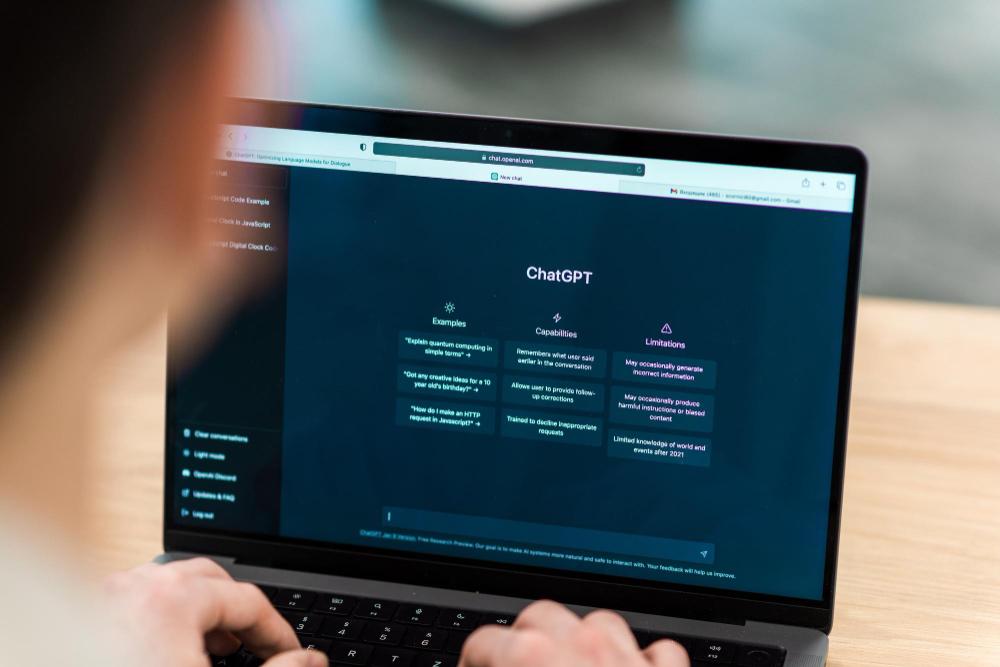
In the modern technology landscape, the responsibilities and scope of Product Managers (PMs) are continually expanding, with senior leaders often expected to manage multiple product teams, lead strategy, and handle execution simultaneously. To thrive under this pressure, PMs must actively harness AI to manage the vast workload without sacrificing their well-being or the quality of their output. This necessity has cemented the integration of Large Language Models (LLMs) into the product development lifecycle. The complexity of the role demands the necessity of integrating chat gpt for product management tools.
ChatGPT acts as a powerful co-pilot, helping PMs save time, create initial drafts, and streamline repetitive tasks, freeing them to spend more time on strategic decision-making and user engagement. The key lies in understanding where to focus the LLM's capabilities.
1. Accelerating Strategy and Roadmapping
The strategic phase of product development requires deep analysis and creative thinking, areas where ChatGPT acts as a seasoned sparring partner.
-
Idea Generation and Brainstorming: LLMs can generate creative concepts and features by receiving layered constraints, such as market dynamics, known user pain points, and competitive gaps. PMs can use adversarial prompting (asking the AI to critique its own solutions) to surface weak points early.
-
Prioritization and Vision: ChatGPT can structure competitor analysis frameworks and suggest priority order for roadmap items based on provided data, such as impact scores and strategic alignment notes. It can also draft concise, inspiring vision statements based on long-term goals.
-
Monetization and A/B Testing: PMs can explore monetization models, asking the LLM to suggest strategies, pros, cons, and company examples based on product value. It can also propose A/B test setups, including hypotheses and success metrics, for UI changes.
2. Streamlining Content and Communication
Product Managers are expected to be effective communicators, generating vast amounts of written content for diverse audiences. ChatGPT can generate and refine this content five times faster.
-
Drafting Documentation: The AI excels at generating first drafts of Product Requirements Documents (PRDs), including user stories, problem statements, acceptance criteria, and success metrics.
-
Facilitating Team Alignment: It assists in drafting emails, presentations, meeting agendas, and clear update summaries for stakeholders and team members, ensuring everyone is aligned on project goals.
-
User Stories and Jira Tickets: LLMs can convert features into user stories, helping the team remain user-centric and outcome-focused.
3. Democratizing Data Analysis and Insights
Data analysis is crucial at every stage of the product lifecycle. LLMs are transforming this process by allowing non-technical users to query data using natural language, accelerating decision-making.
-
Synthesizing Feedback: LLMs can quickly analyze large datasets of user feedback, support calls, and customer reviews to identify frequent themes, summarize key behavioral trends, and determine sentiment or emotional tone.
-
Technical Assistance: ChatGPT is helpful for writing efficient SQL queries to access and analyze data stored in databases, making data analysis faster and more accessible for PMs.
-
Risk Mitigation: LLMs can review product rollout plans to highlight risks to successful adoption, including likelihood, impact, and mitigation recommendations. They can also analyze A/B test results to identify statistical significance and recommend next steps.
4. The Art of Prompting: Augmentation, Not Replacement
The power of ChatGPT is not in outsourcing the role but in augmenting the PM’s unique domain expertise and stakeholder management skills. The PM remains the architect, while the LLM is the builder.
To achieve breakthrough ideas rather than predictable outputs, PMs must use sophisticated prompting. This involves:
-
Layering Context: Providing market dynamics, known pain points, and competitive gaps rather than asking for ideas in a vacuum.
-
Adversarial Prompting: Asking the AI to critique its own solutions or switch roles to challenge its thinking.
-
Collaborative Iteration: Building on the AI's answers, asking it to expand, reframe, or tailor its outputs for different business models or scenarios.
Conclusion: Expanding the Product Manager’s Scope
The strategic use of chat gpt for product management is now a requirement for success, enabling PMs to expand their scope without sacrificing the quality of their work. By leveraging LLMs to handle time-consuming tasks like drafting, summarizing, and data analysis, the product team can focus on user conversations, domain expertise, and high-level strategy. Investing in specialized tools that integrate chat gpt for product management ensures data privacy and provides tailored functionality that generic models cannot match. Techwall provides the intelligence needed to harness this technology, ensuring your team accelerates development cycles and makes more data-driven decisions.